
HTML1 min read
Best Practices for Writing Clean and Valid HTML
A collection of HTML best practices including proper indentation, naming, W3C validation, and common beginner mistakes you should avoid.
#html
11 topics · 29 posts
The structure of the web: elements, semantics, and the DOM.
19 posts
A collection of HTML best practices including proper indentation, naming, W3C validation, and common beginner mistakes you should avoid.
#html
How to use the HTML <iframe> tag to embed content from other sites, like a YouTube video or a Google Map, inside your own page.
#html
A beginner's guide to HTML forms: how the <form> tag sends data for logins, sign-ups and contact messages, starting from the basics.
#html
HTML5 has built-in form validation: required fields, length and number limits, and format patterns, all without a single line of JavaScript.
#html
The HTML <input> tag has many types. Learn text, email, checkbox, radio and more, and how the right type makes forms easier to use on mobile.
#html
The HTML meta tags that matter for SEO: title, description, viewport, canonical and Open Graph, so your site looks right on Google and social media.
#html#seo#meta-tags
Learn semantic HTML and how to use header, nav, main, section, article, aside, and footer to build better structured and SEO-friendly websites.
#html#semantic-html
How to build tables in HTML to show data in rows and columns: table, tr, th, td, thead, tbody and caption, with complete examples.
#html
How to play video and audio on a web page with the built-in HTML5 <video> and <audio> tags: no Flash, no plugins.
#html
HTML has three kinds of lists: ordered, unordered and description lists. Here's how each one works and when you should use it.
#html

How to use the HTML <img> tag properly: alt text, width and height, modern formats and lazy loading, so your images stay fast, accessible and SEO-friendly.
#html
Learn the basics of web accessibility including alt text, form labels, ARIA attributes, and keyboard navigation so your website can be used by everyone.
#html
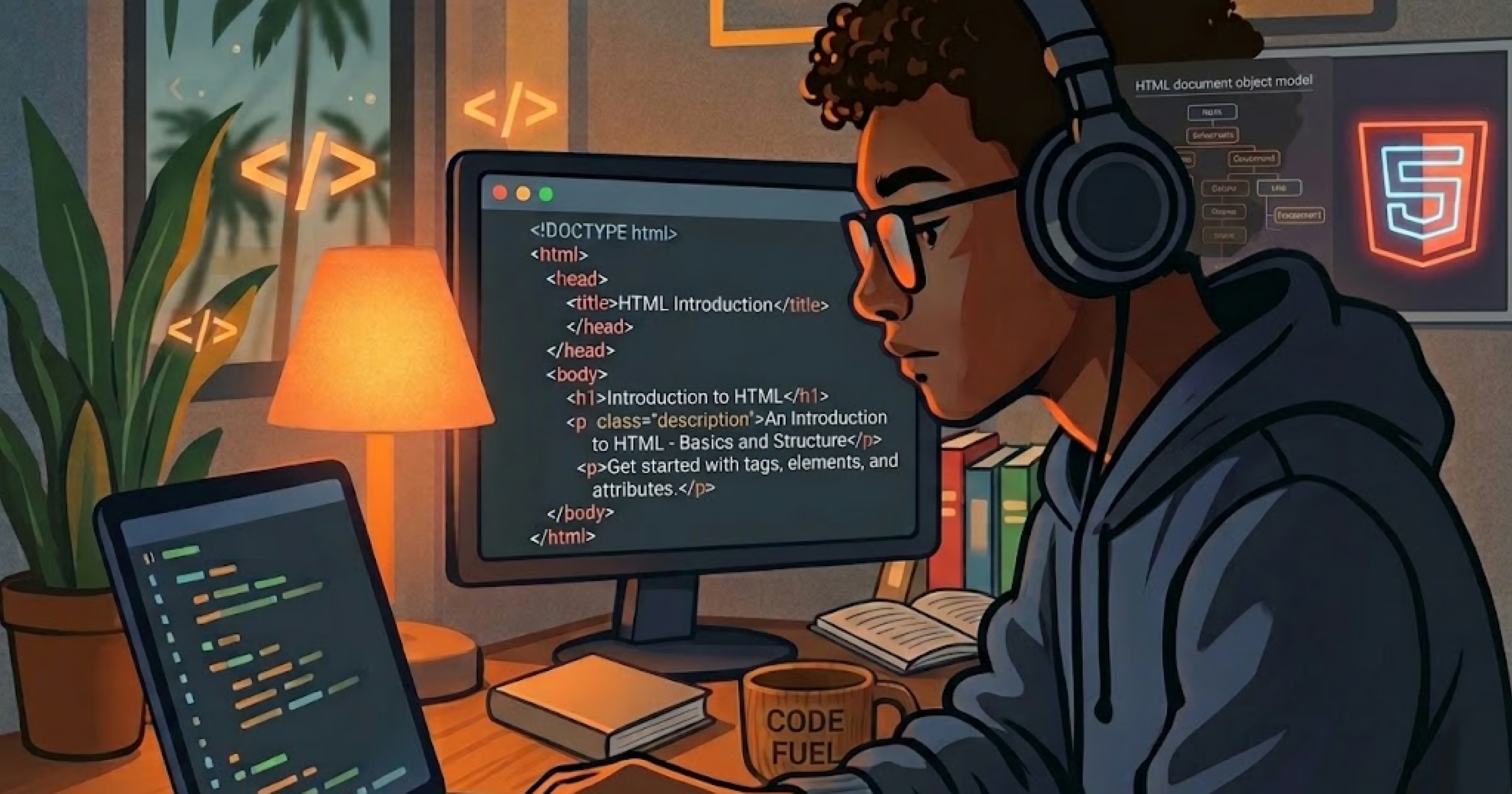
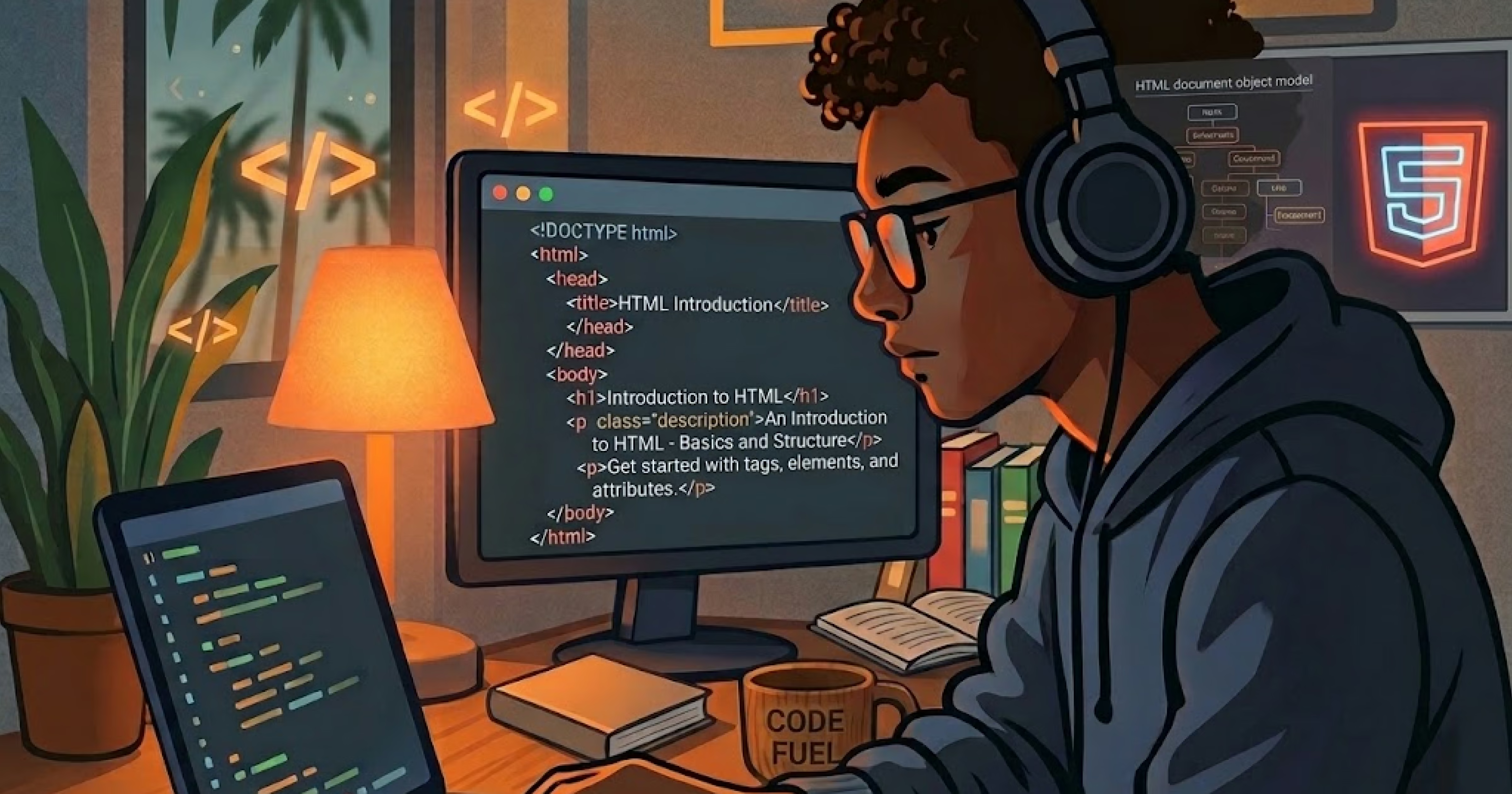
The basic structure of every HTML document explained: doctype, html, head and body, what each part does, and why skipping one can make your page invalid.
#html
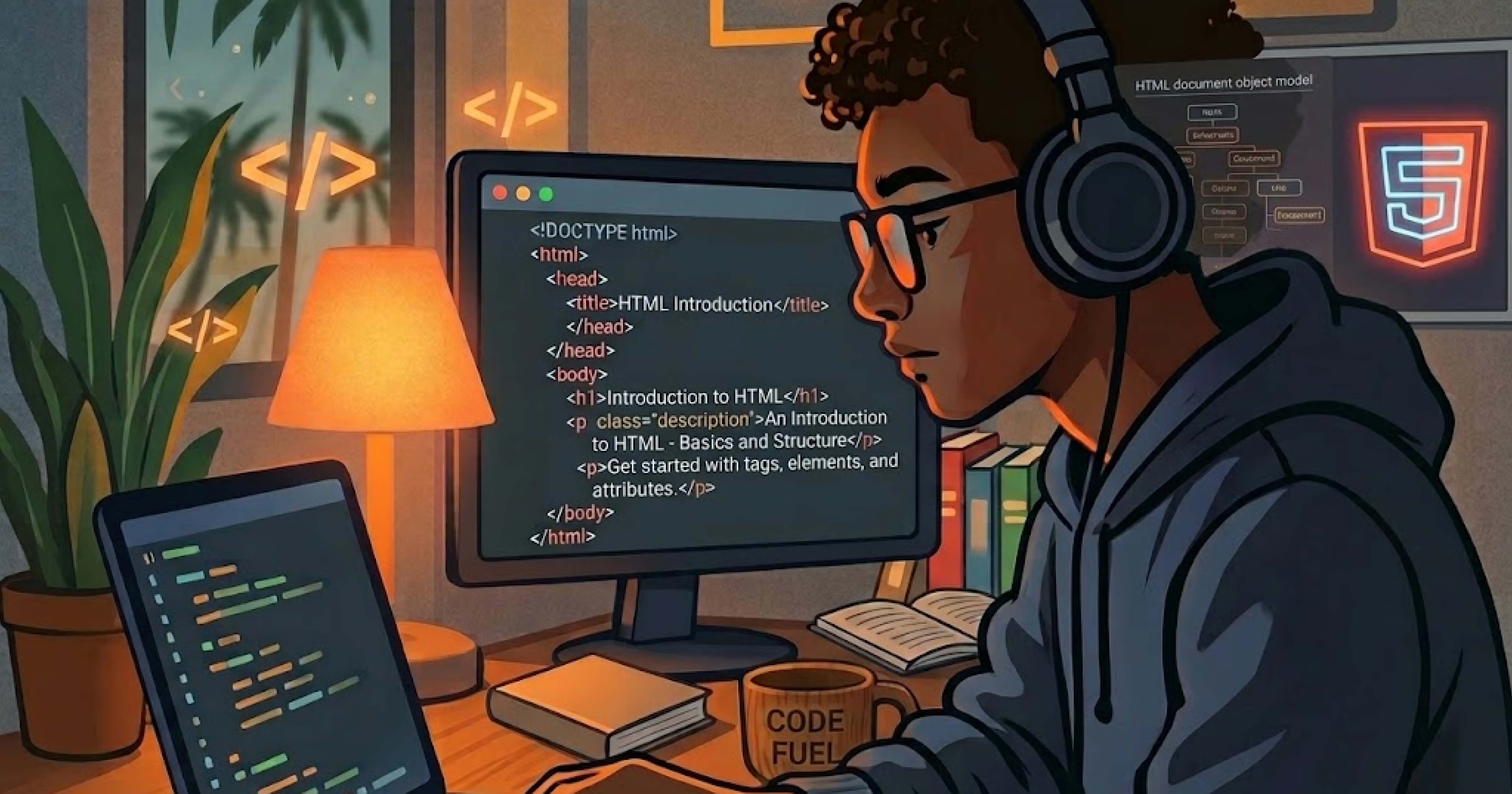
Tag, element and attribute: three HTML words beginners often mix up. Here's what each one means, explained simply with examples.
#html
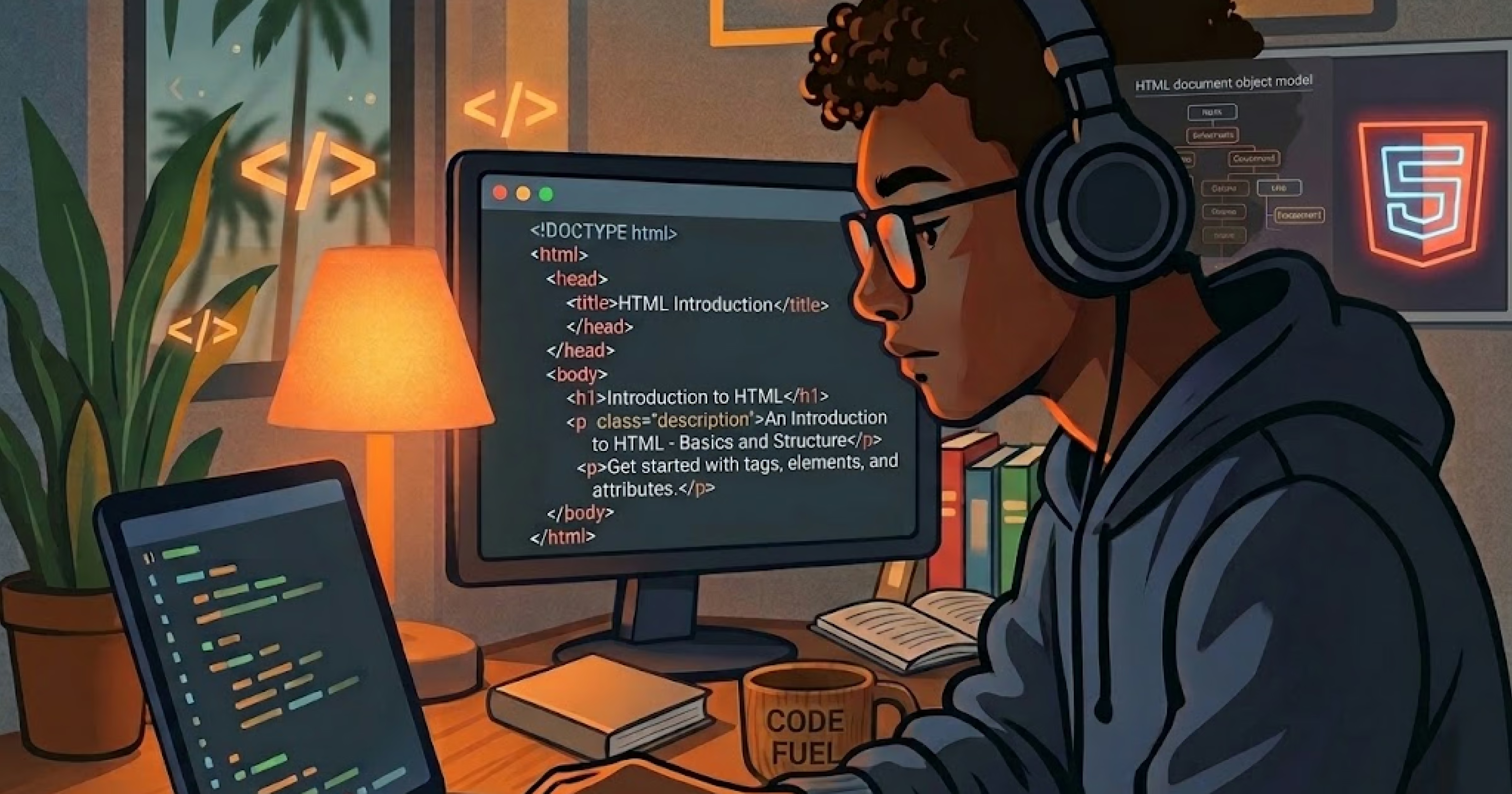
How to create links in HTML with the <a> tag: internal and external links, email links, and the attributes that control how they open.
#html
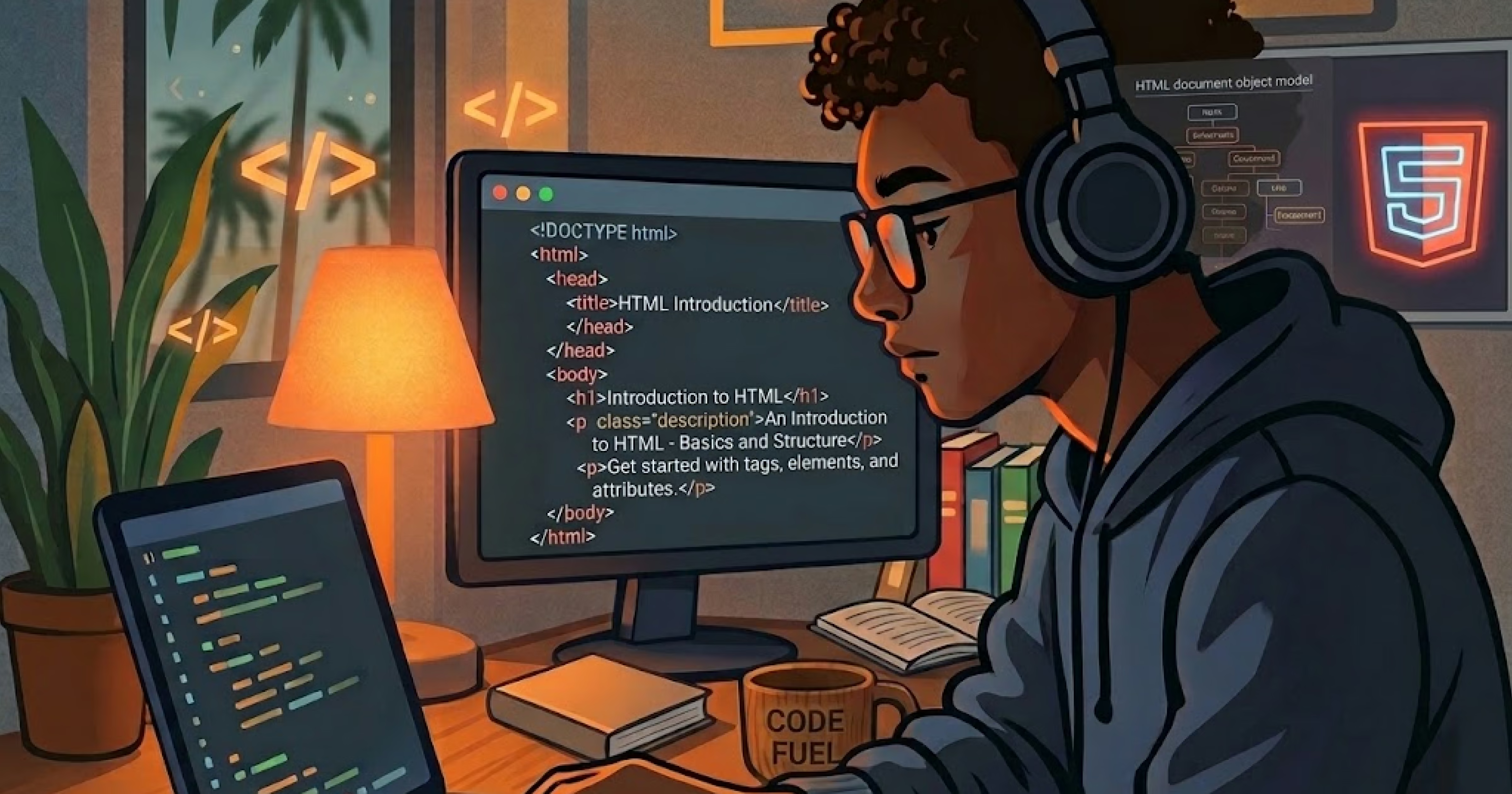
How to use HTML headings (h1–h6) and paragraphs the right way, so readers and search engines can follow the structure of your content.
#html
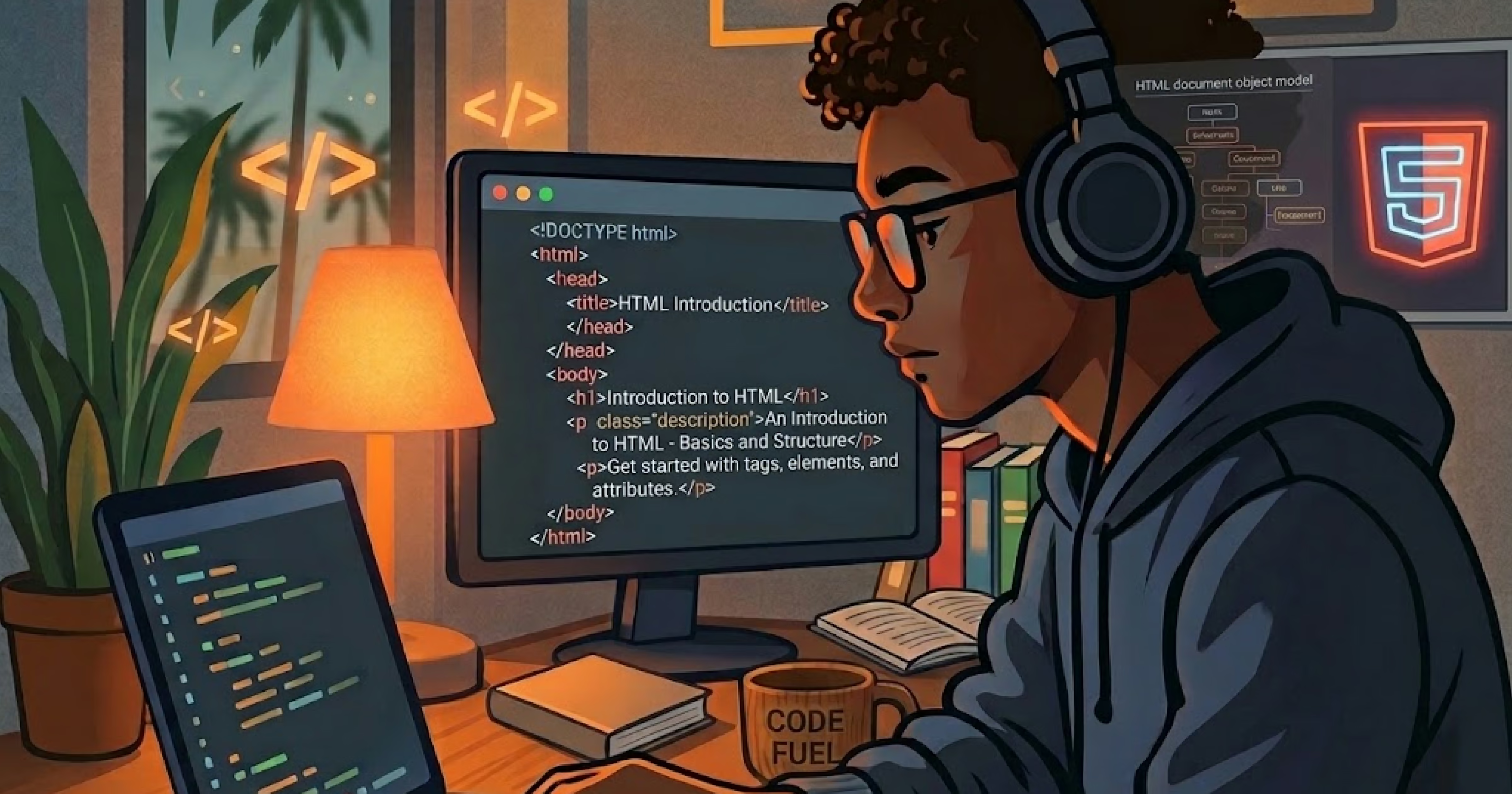
Bold, italic, strong and em in HTML: which tags only change how text looks, which ones carry meaning, and when to use each.
#html
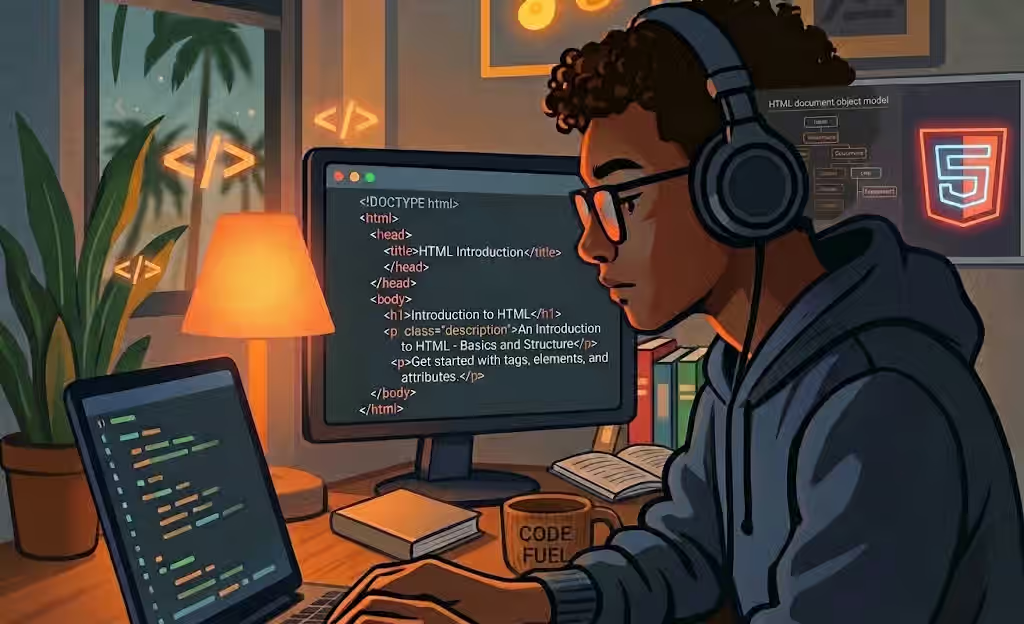
What’s the difference between div and span? Learn the concept of block and inline elements in HTML with practical examples for building layouts.
#html
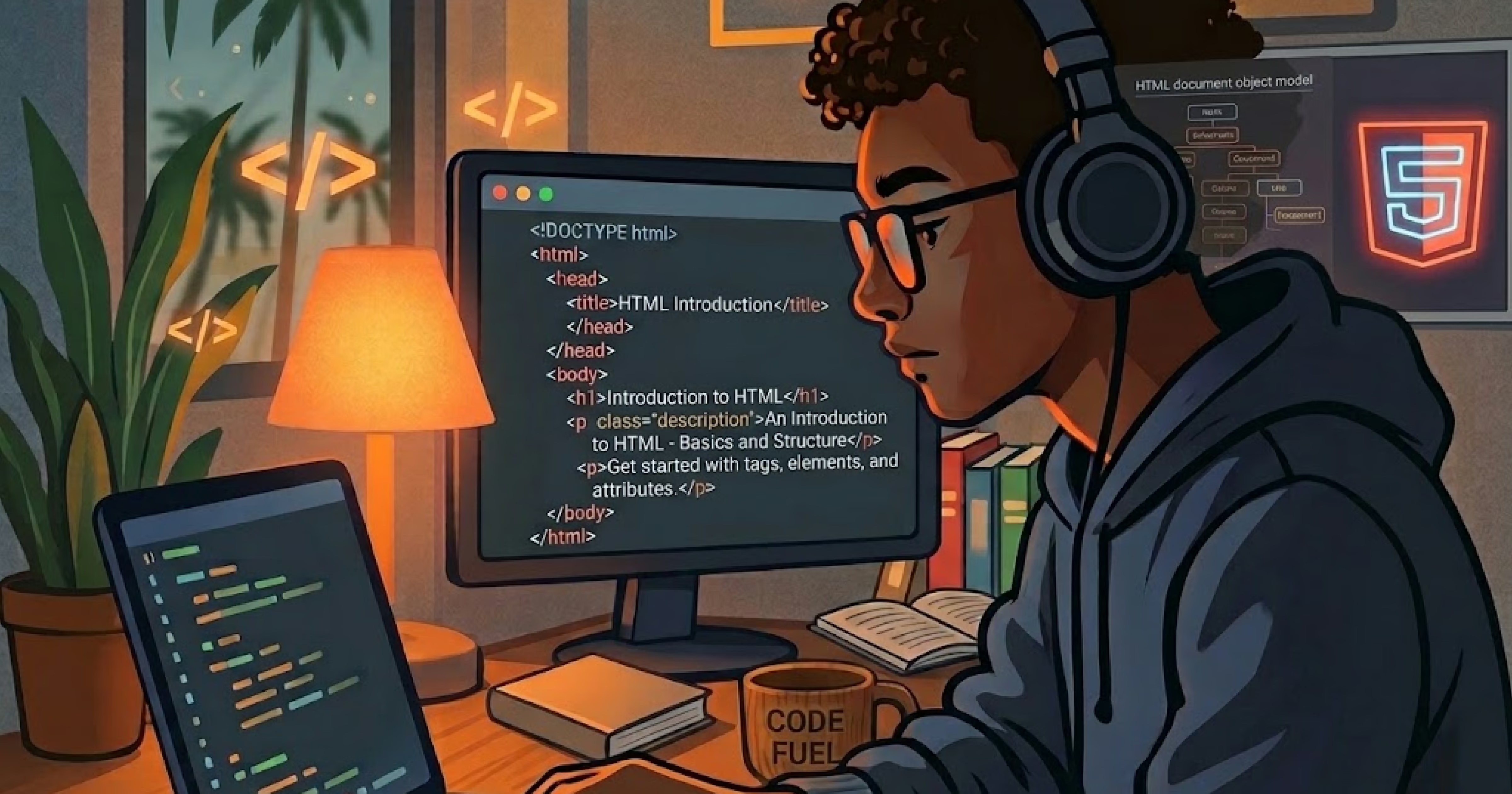
How HTML started: Tim Berners-Lee, CERN, the first website, and how a simple markup language became the foundation of the modern web.
#html#web#tim-berners-lee